


How it started
The road we took
For our module, with our main topic being transportation, we narrowed it down to parking as all modes of transport require parking, and hence we saw good potential in this topic.
aim
We wanted to address
The pain point of finding vehicles in a large area.
Vision
By creating
A simple solution that can be integrated into the existing system that helps users find their vehicle quickly and efficiently.
process
Finding Our Groove
Research and analysis
  • Research and analysis
  • Secondary research
  • System maps
  • Field study
  • Interviews
  • Survey
Ideation
  • POV
  • User journey map
  • User stories
  • Brainstorming

Design
  • Preparing the mall plan
  • Token design
  • Wayfinding
  • Sensors
  • CAD Model
approach

How We Got on the Right Track

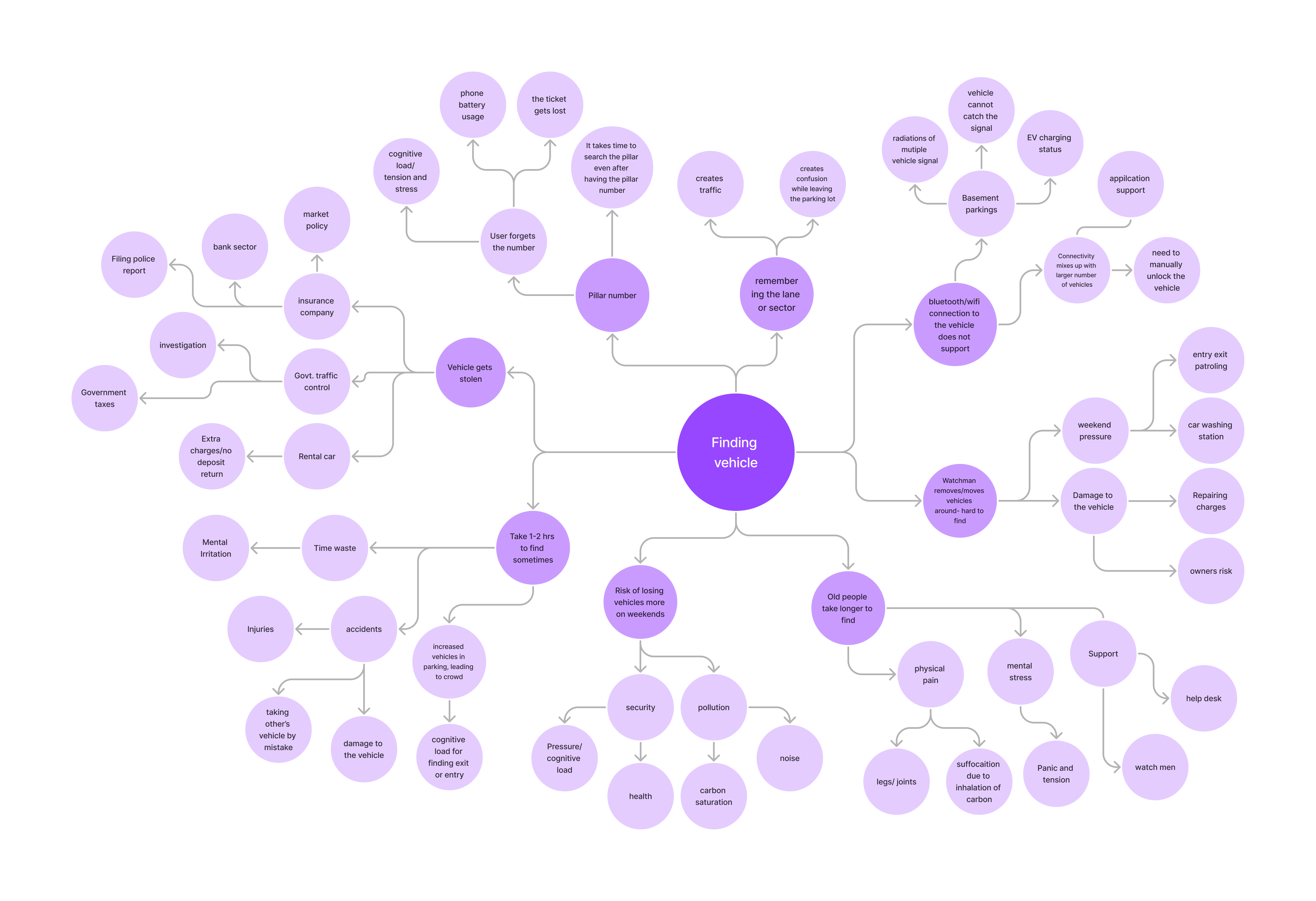
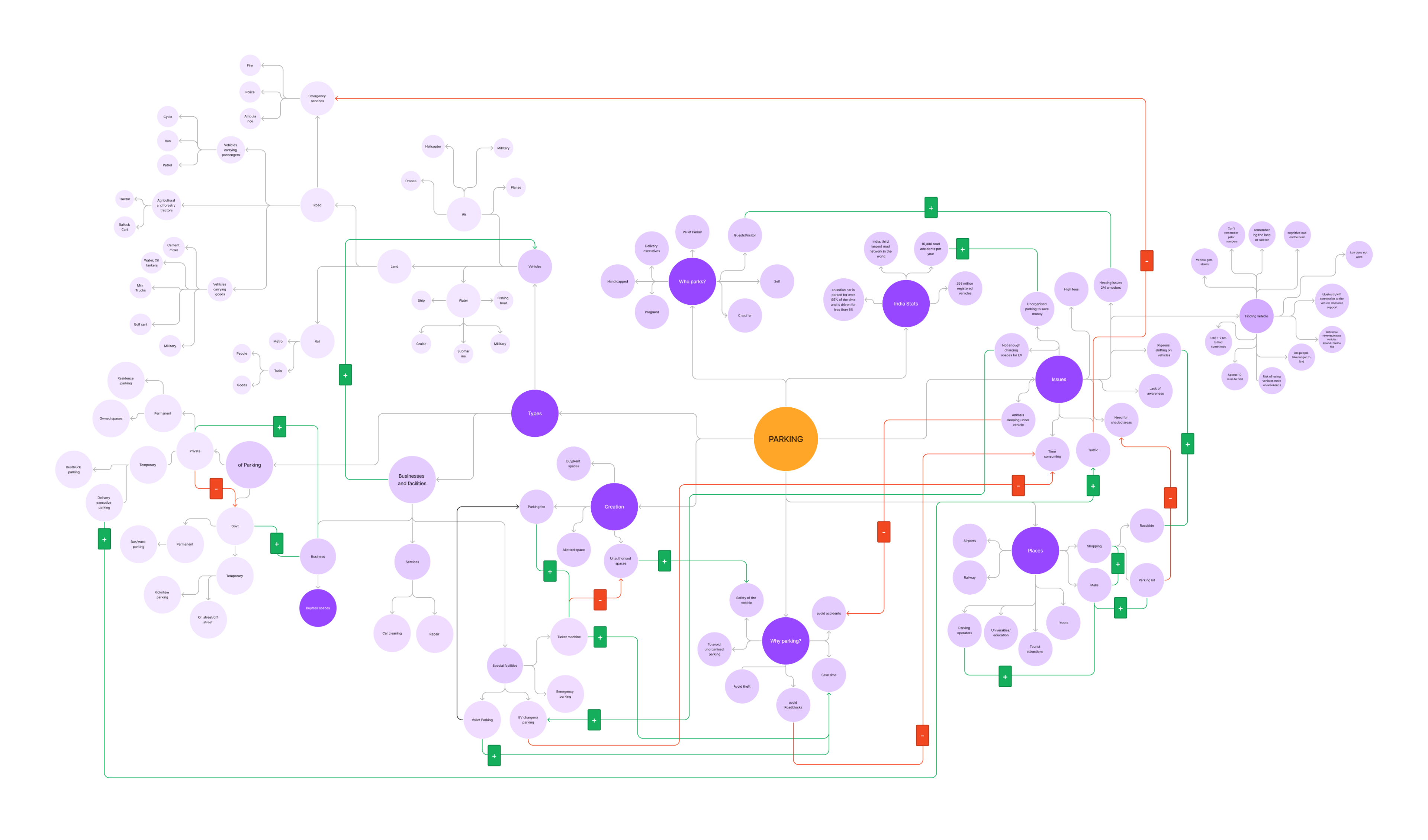
We started by making a system map of parking and understanding how one element impacts the other. Next, we did thorough secondary research on types of parking, current parking solutions all over the globe, and parking issues faced by users. After this, we narrowed down our problem statement to finding vehicles in parking spaces.

Next, we floated an online survey to verify our hypothesis of the issue being prevalent. With around 45+ responses, these are some questions we asked.

  • Have you ever faced an issue when it comes to finding your vehicle in a parking space?
  • If yes, how often do you face this issue?
  • What was the vehicle type?
  • How do you ensure to remember where you parked your vehicle?
  • Where do you generally face issues with finding your vehicle?

Following that, we conducted field research in the parking lots of Alpha One Mall, Zydus Hospital, and Karnavati University. We observed users from the beginning until they found their vehicle and spoke to them.

findings

This is what we found

From the survey

  • 42/45 vehicle owners face an issue in finding their vehicle.

  • 2 wheeler vehicle owners face the maximum issue.

  • Malls are the most challenging places to locate parked vehicles.

  • People use various methods to find their vehicle, such as taking pictures, using the car key sound, remembering landmarks, retracing their route, or asking the watchman.

From field study and secondary research

  • People face problems with finding vehicles, but also finding the pillars in large parking spaces.

  • Users take an average of 5-7 minutes to find their vehicle.

  • Better visual cues would be helpful in locating parked vehicles.

  • Psychology varies by location. Hospital visitors are often stressed, while mall-goers get caught up in shopping and may struggle to remember where they parked.

  • Developing a location-specific solution would be more efficient than a universal solution. Eg: In specific malls.

  • Most vehicle-finding solutions in India are app-based and primarily focus on four-wheelers.

  • Indian users prefer solutions that direct them while also making them feel in control.
Target users

Those Who Matter Most

After our research, we zoomed into malls in specific with our target users being people who park their two and four-wheelers at a shopping mall.
Branching out

Finding Vehicles

After the research, we further mapped our observations with our focus being finding vehicles.
POV

Park and Seek

People who park their two and four-wheelers at a shopping mall need a method to efficiently locate their vehicles because the existing system leads to time wastage, mental frustration and a negative experience overall.

User journey

Mapping the Parking Experience

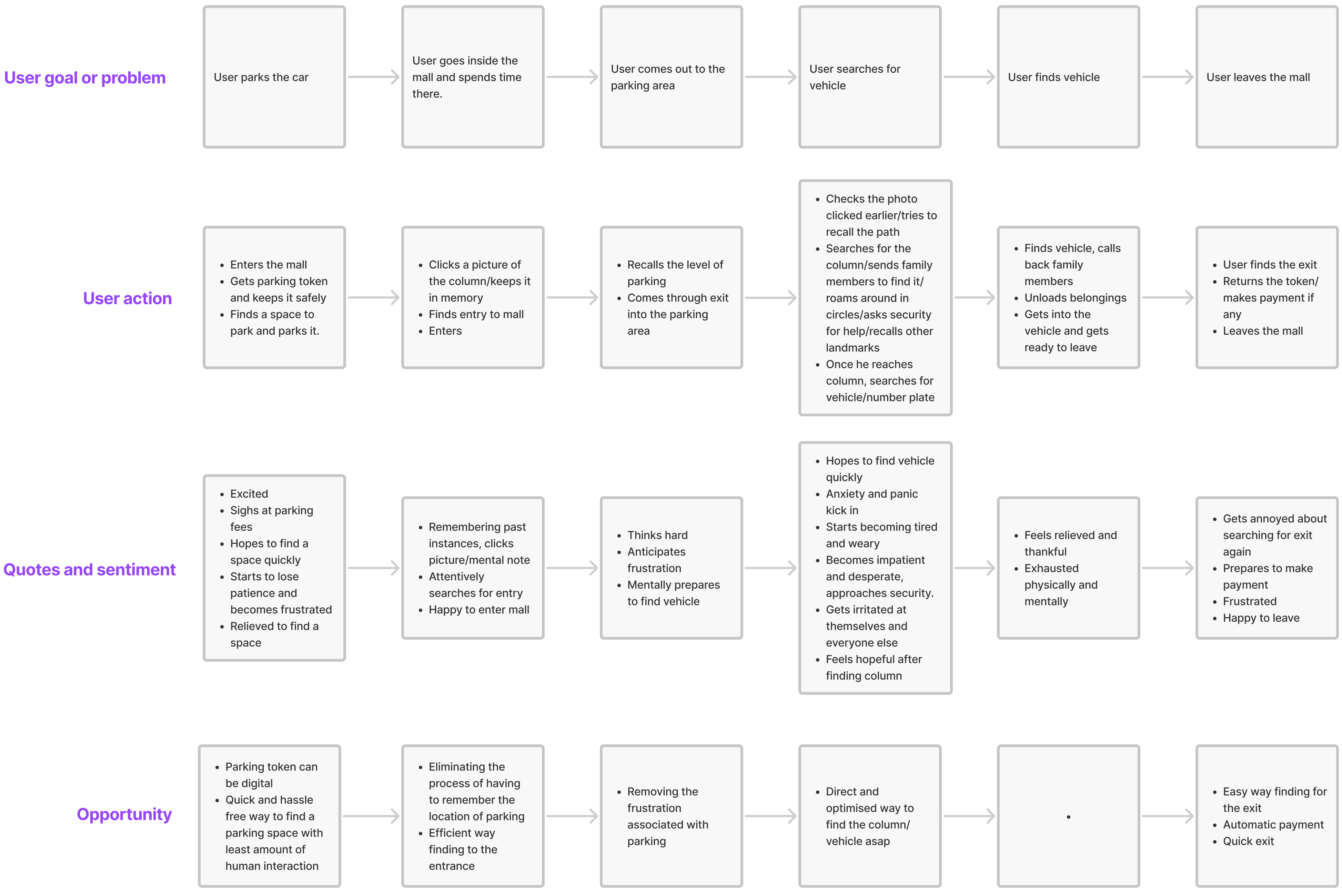
We then further mapped the current user journey of a vehicle owner trying to find their vehicle at a mall. This activity helped us empathise better.
User stories

Perspectives from potential users

We then dug deeper and considered the various user groups who might be affected by the problem and how a solution could help them.
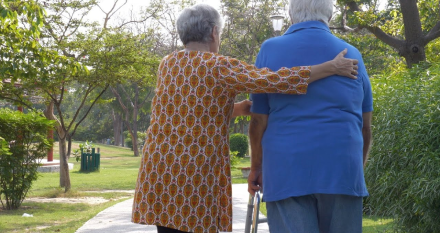
Old Couple
As an old couple with knee problems, we want to be able to park our vehicle as close as possible to the entrance/exit, so that we don’t need to strain ourselves by walking too much to find it.
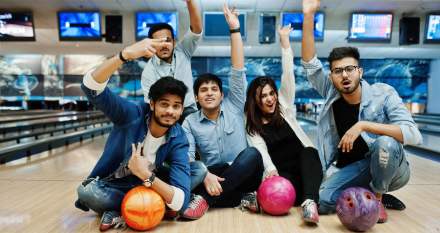
Group of friends
As a group of friends who came to chill at the mall, we don’t want to worry about finding our scooters after a fun day because it ruins the vibe.
Parking assistant
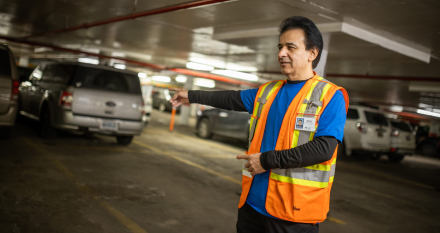
As a parking assistant, I want to be able to quickly help customers find their vehicle so that they have a pleasant mall experience.
Single mom with young kids
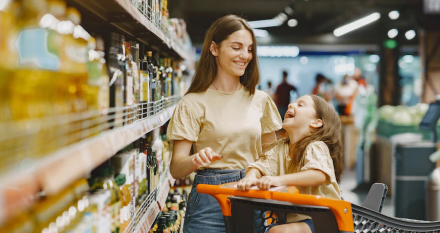
As a single mom with young kids I want to be able to directly find my vehicle so that I don’t have to stress out about so much at once.
Kids of an impatient dad
As children with a dad who is impatient, we want him to find his vehicle easily so that he doesn’t lose his temper on the rest of the family at the end of a nice day.
Staff member
As a staff member of the mall who has stood all day, I want to be able to find my scooter easily without roaming too much so that I can go home faster after a long day.
Shopaholic
As a shopaholic who carries a lot of heavy bags, I want to be able to get to my car faster so that my arms don’t hurt.
Final designs

And finally, say hello to On the Spot, our solution for finding your vehicle at a mall

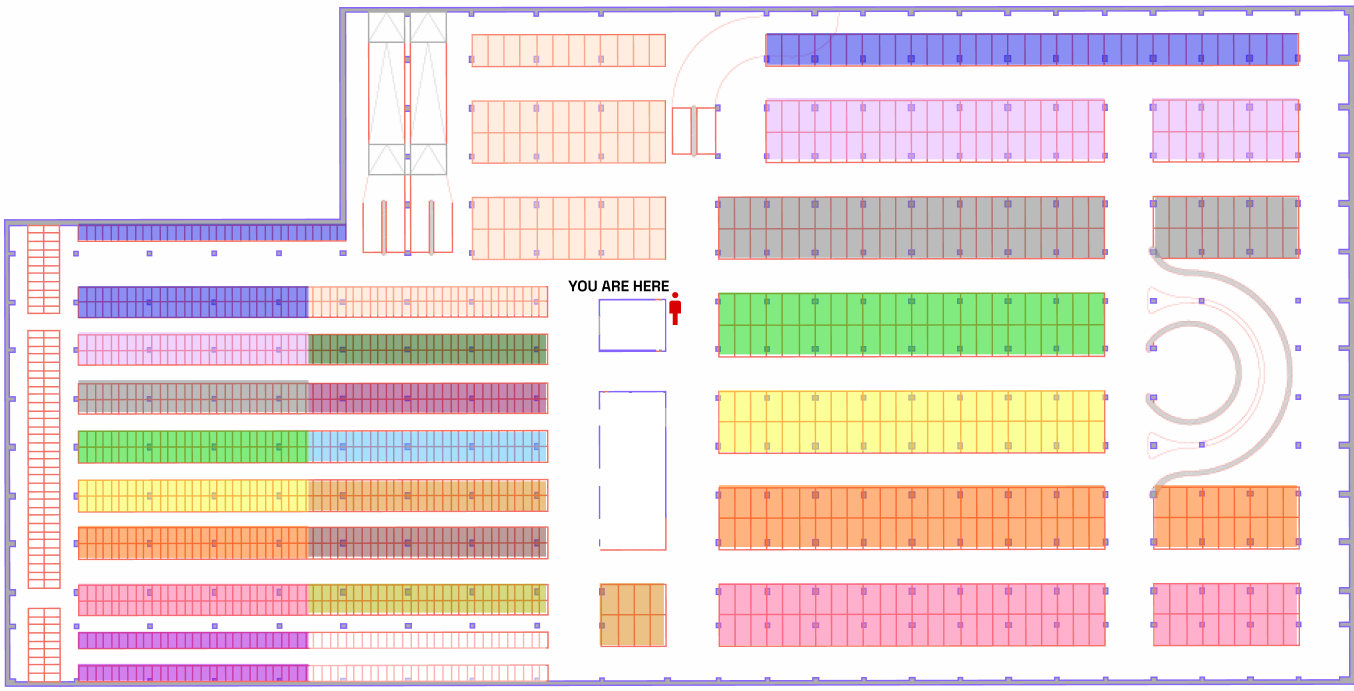
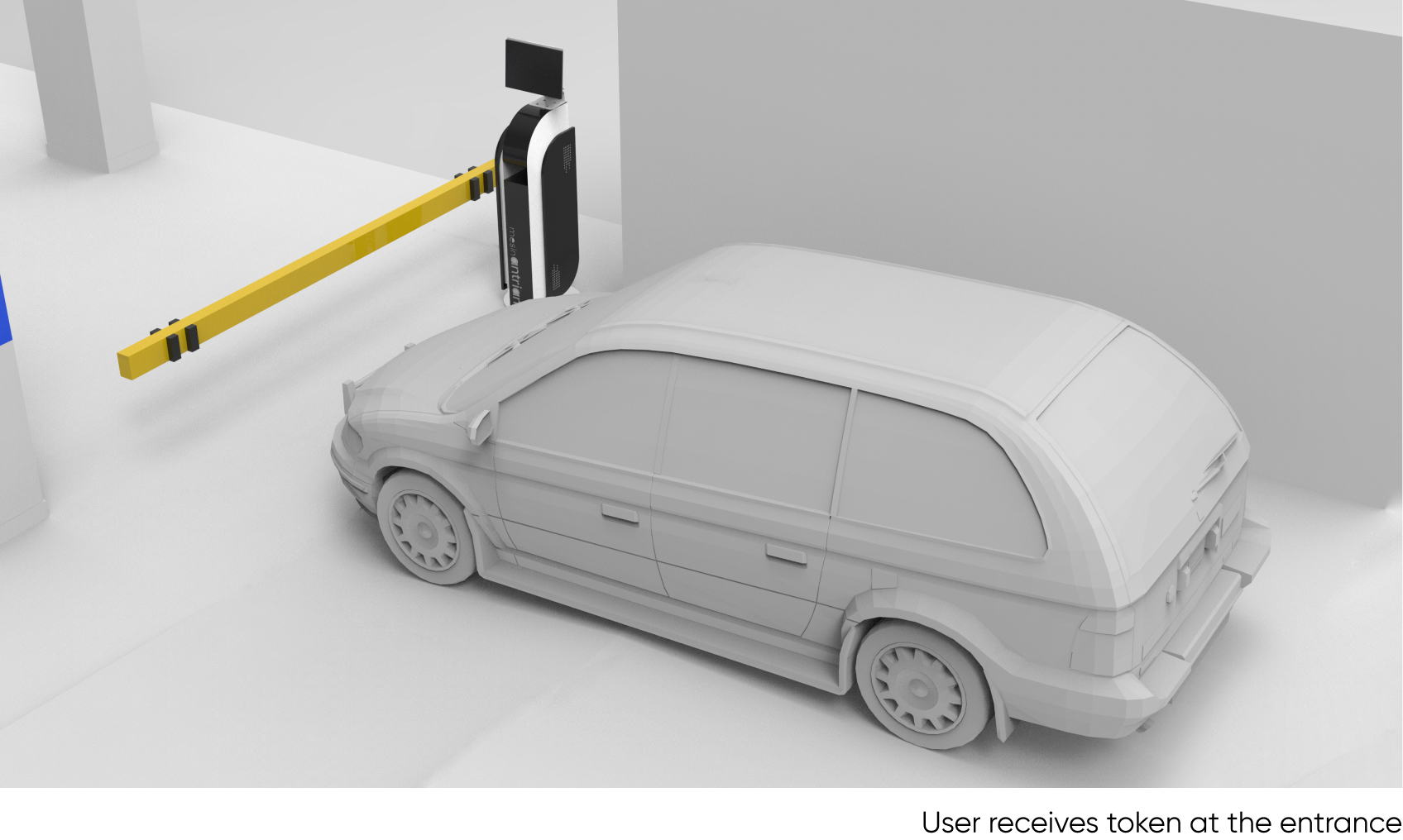
A system designed to enhance the parking experience at a mall. It assigns colors to columns, redesigns the parking token, improves wayfinding, and uses sensors to detect available parking spots.

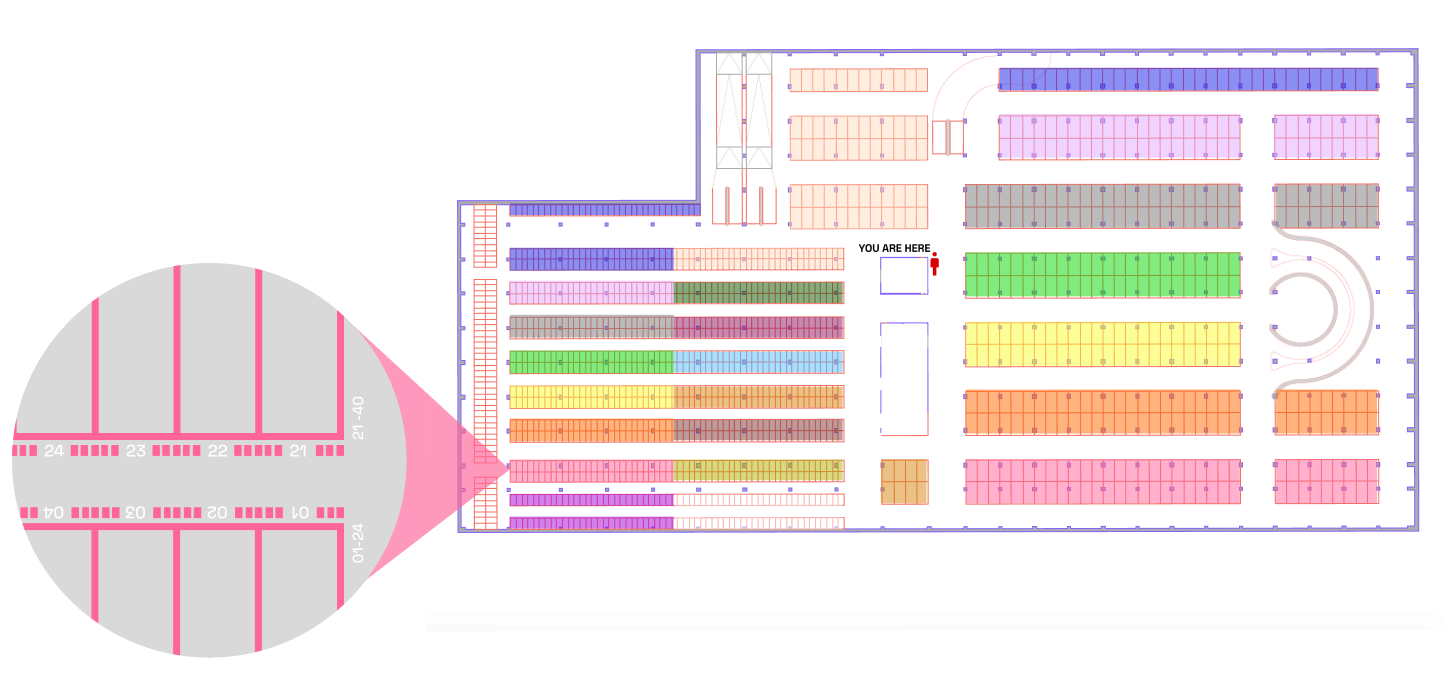
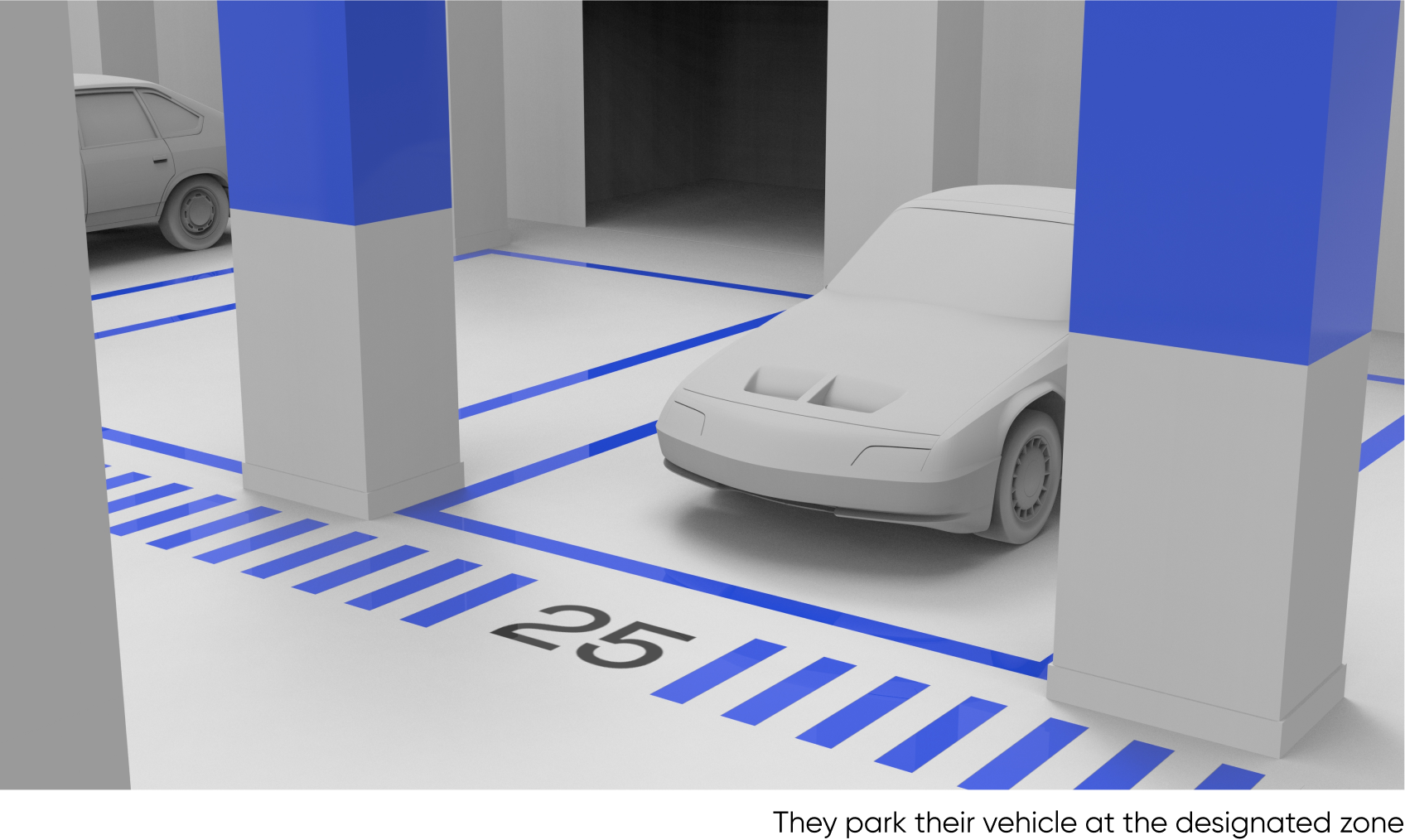
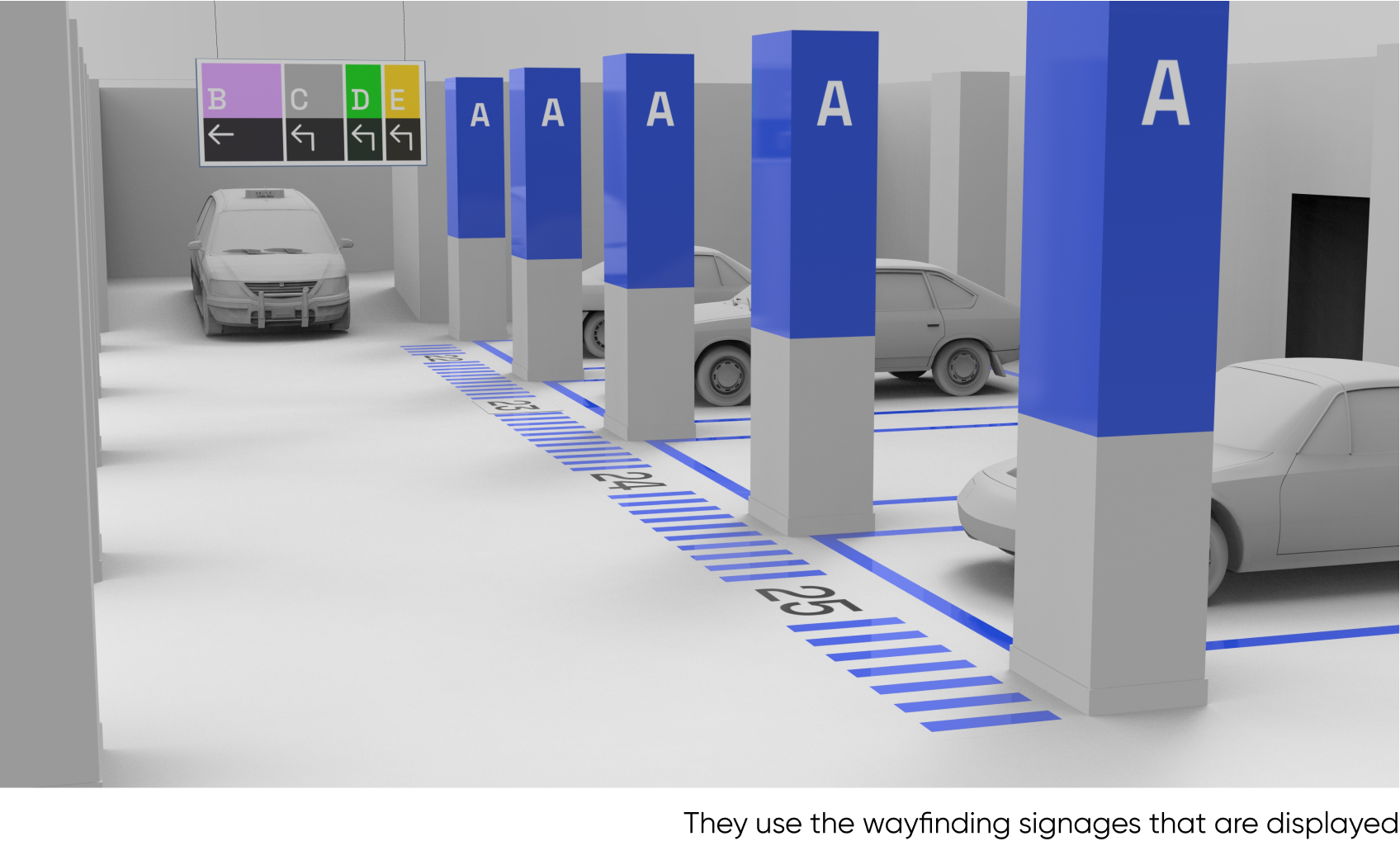
Part 1: Assigning colours in different sections of the parking lot

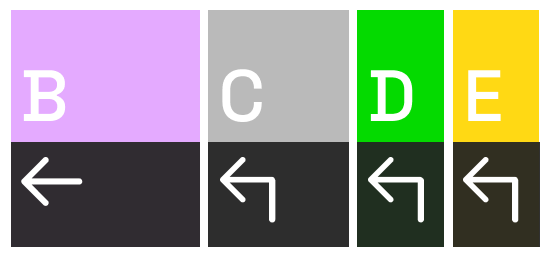
  • Colors are assigned to each row based on research that showed people remember visual cues better than numbers or letters.
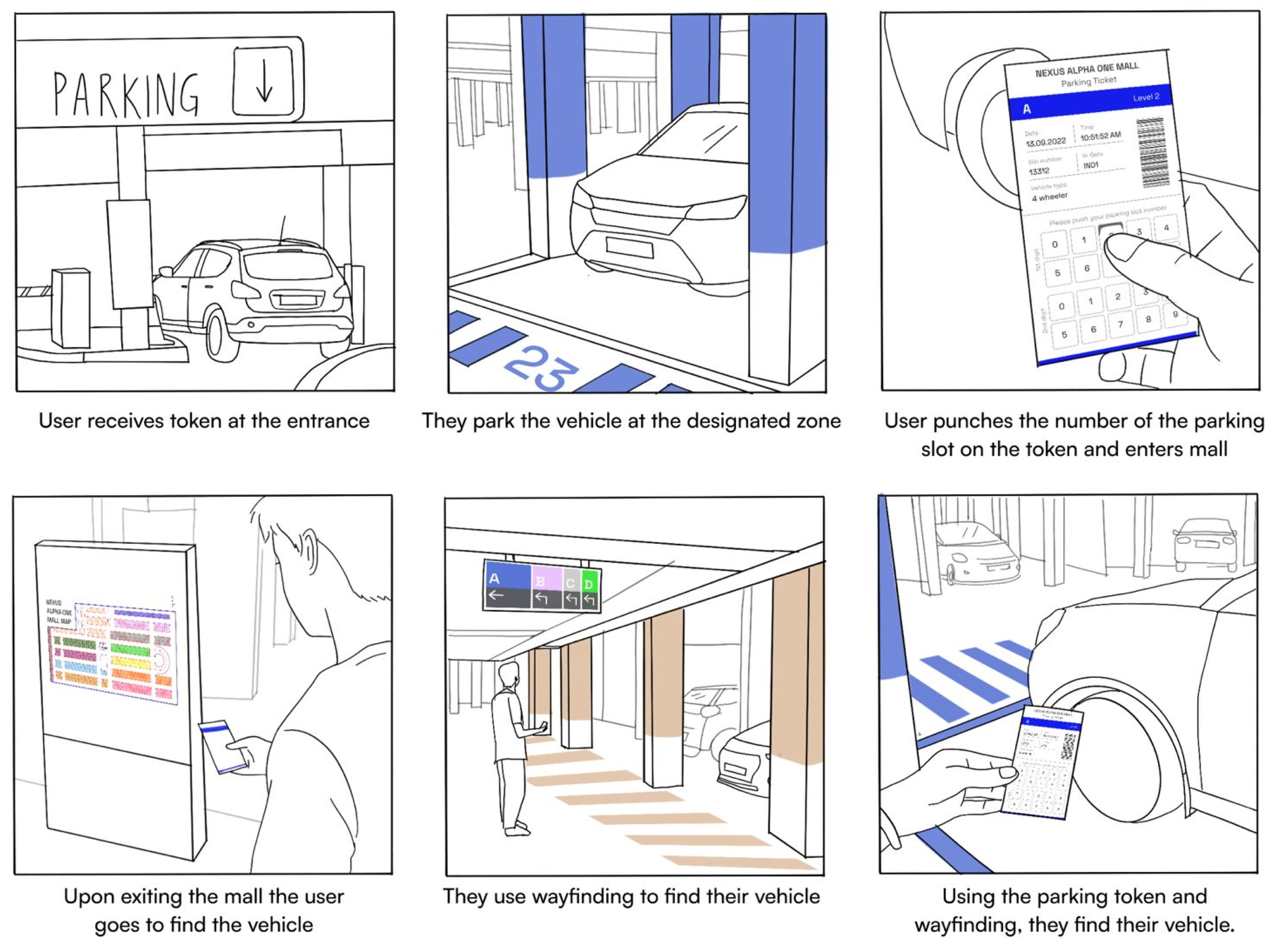
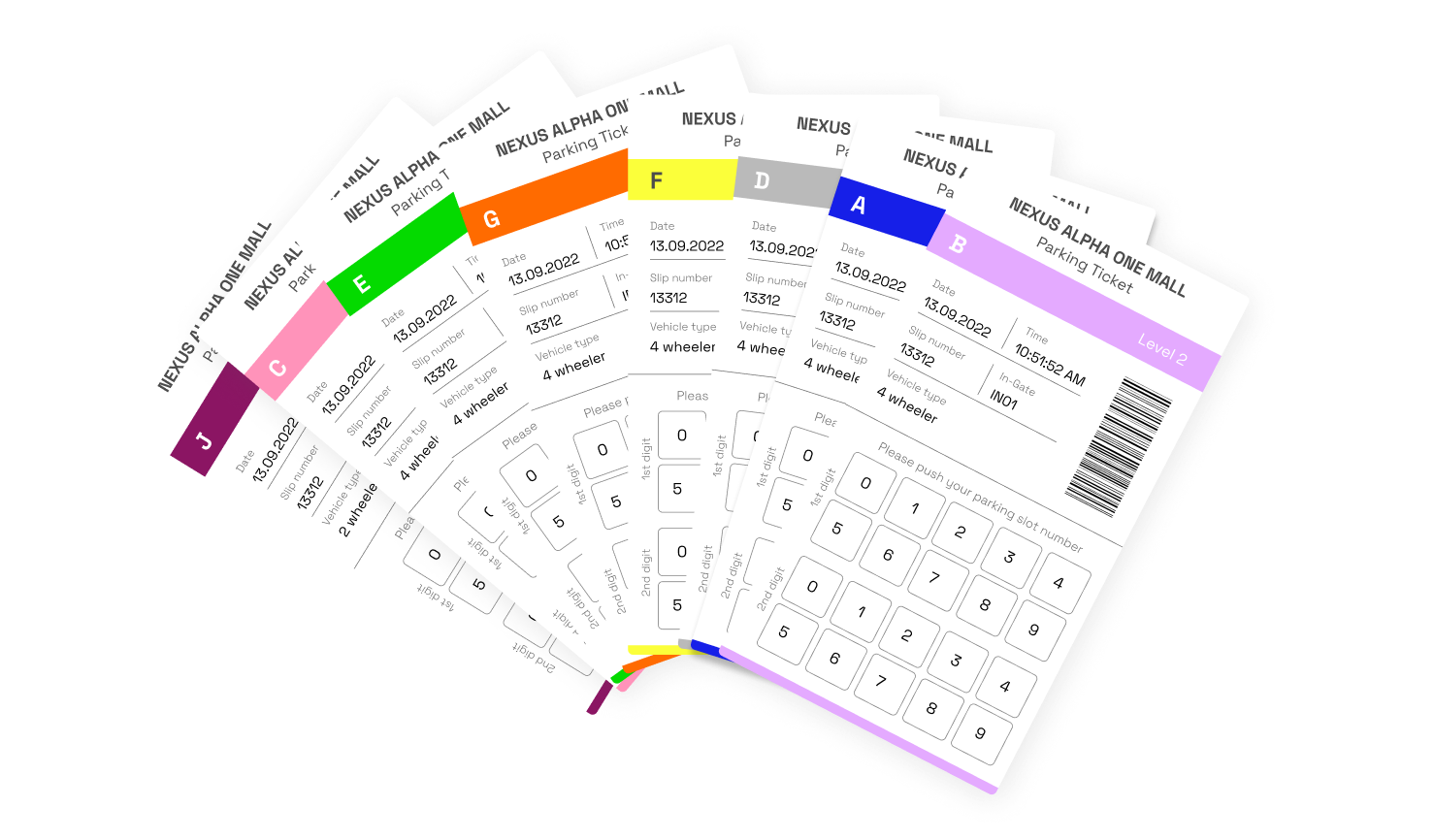
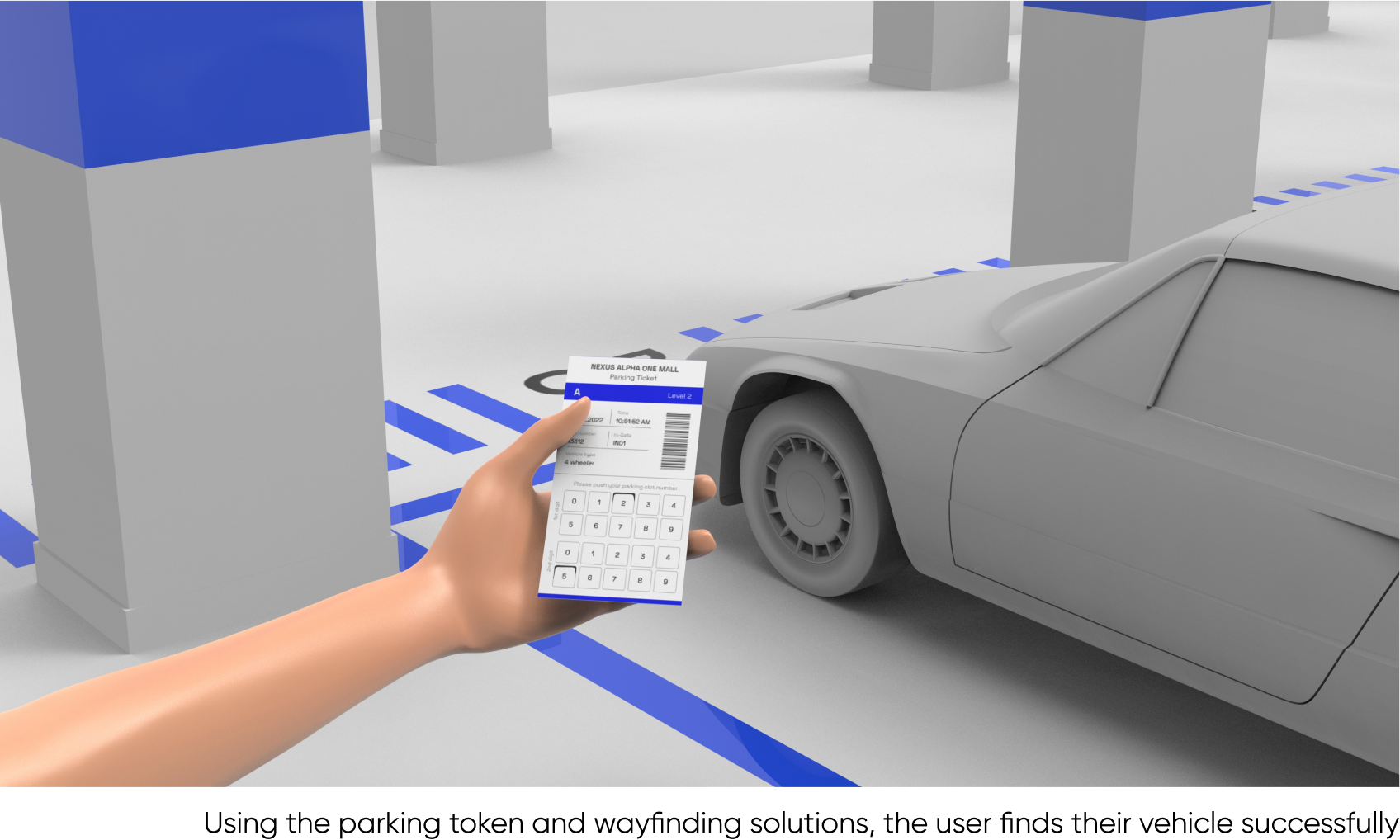
  • A parking token given to the user will indicate the assigned colour row and users may park anywhere in that row for their convenience.

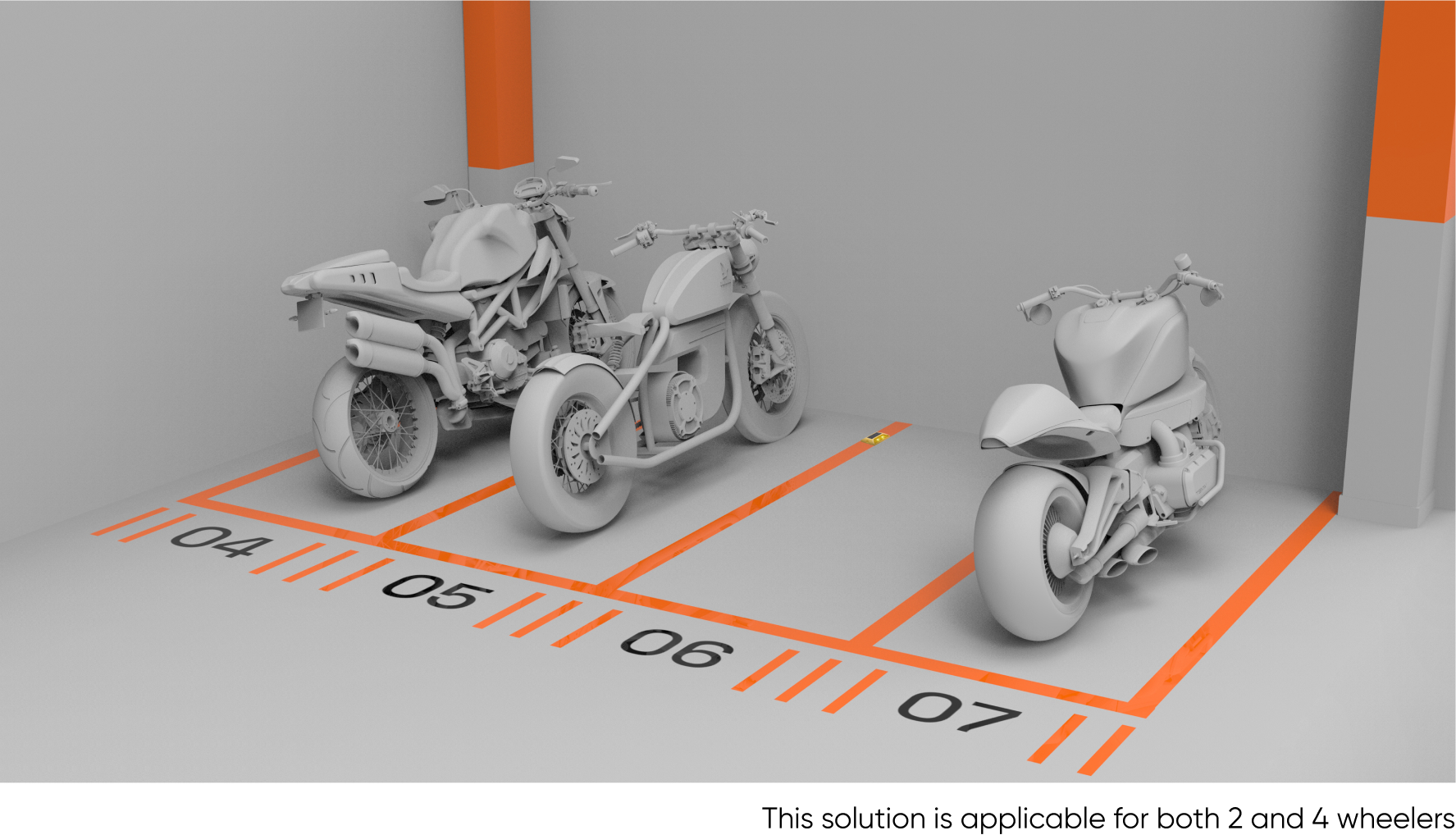
Part 2: Numbering each slot

  • Every row has several parking slots and has now been numbered for both two and four-wheelers.

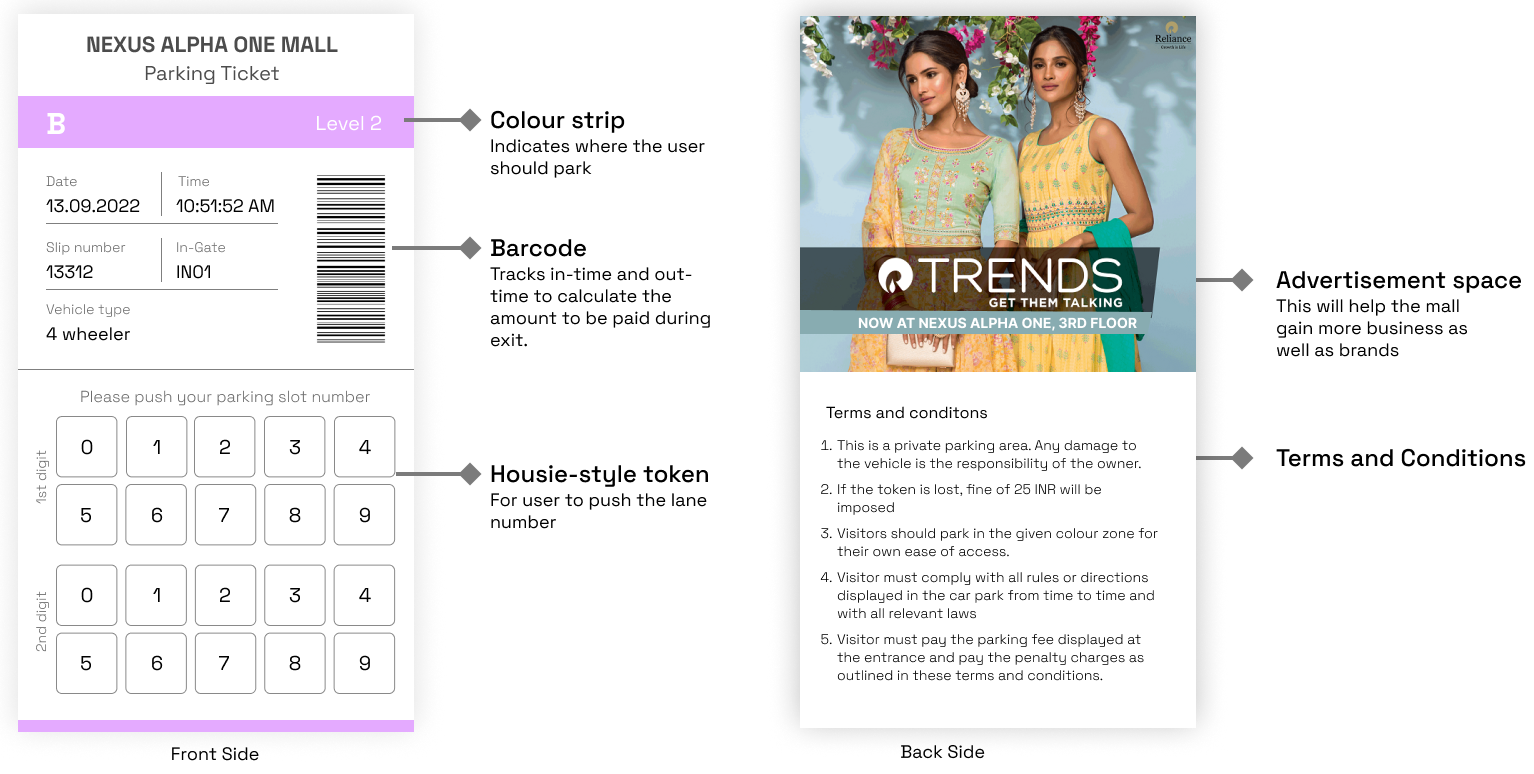
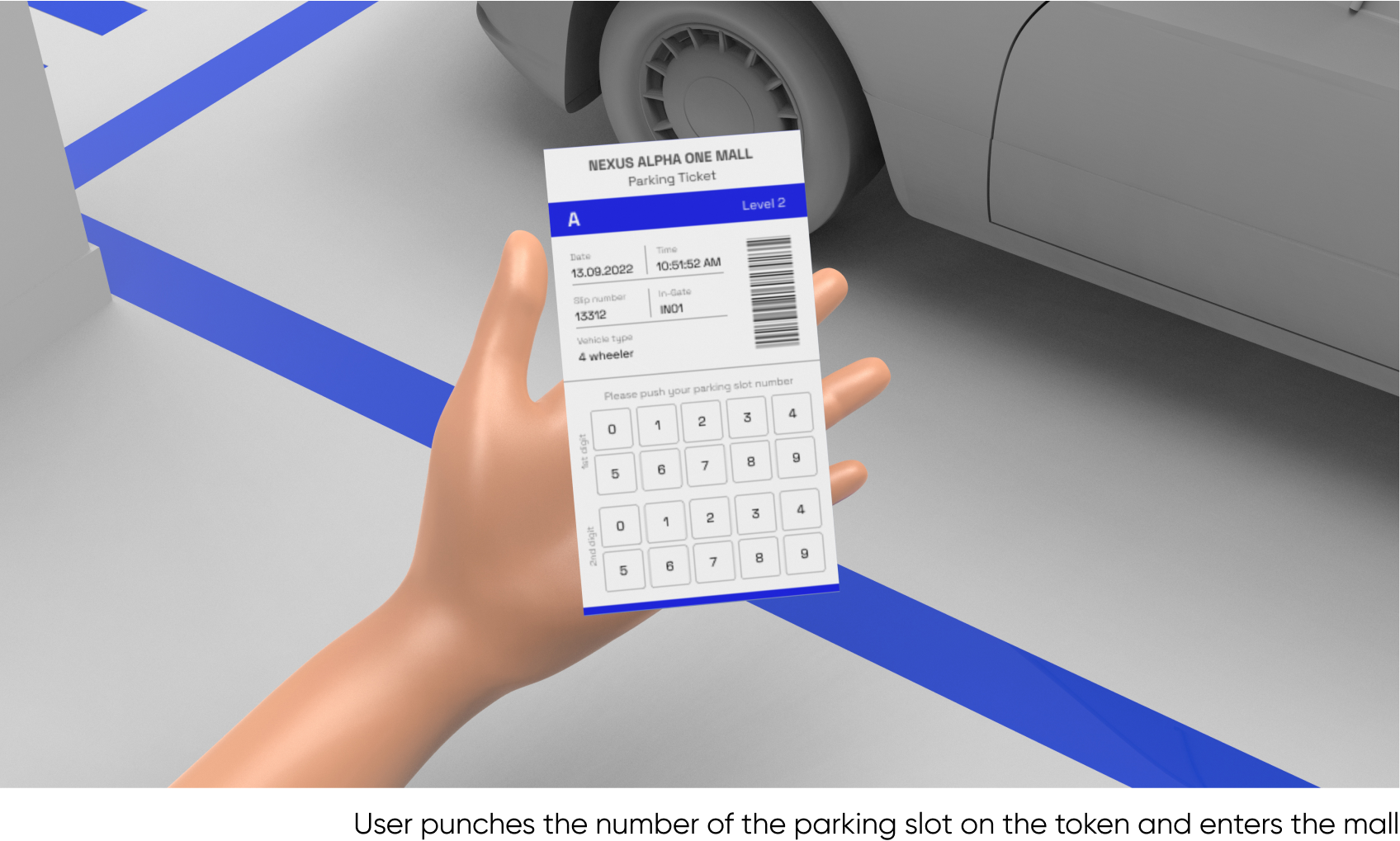
Part 3: Parking token

  • The parking token given then doubles as a memory aid by allowing users to punch in their lane number, inspired by the game 'housie'.

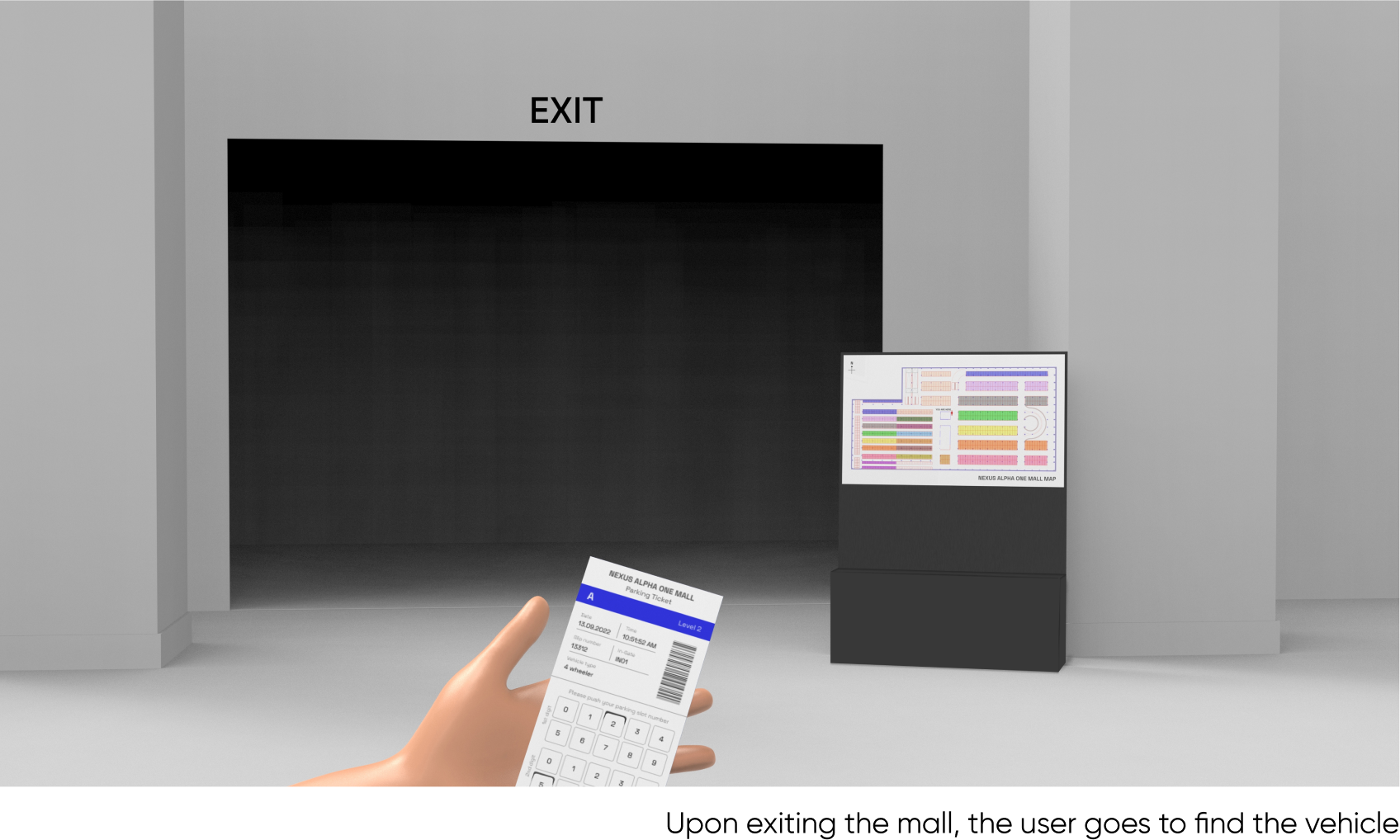
Part 4: Improving the wayfinding system through signages

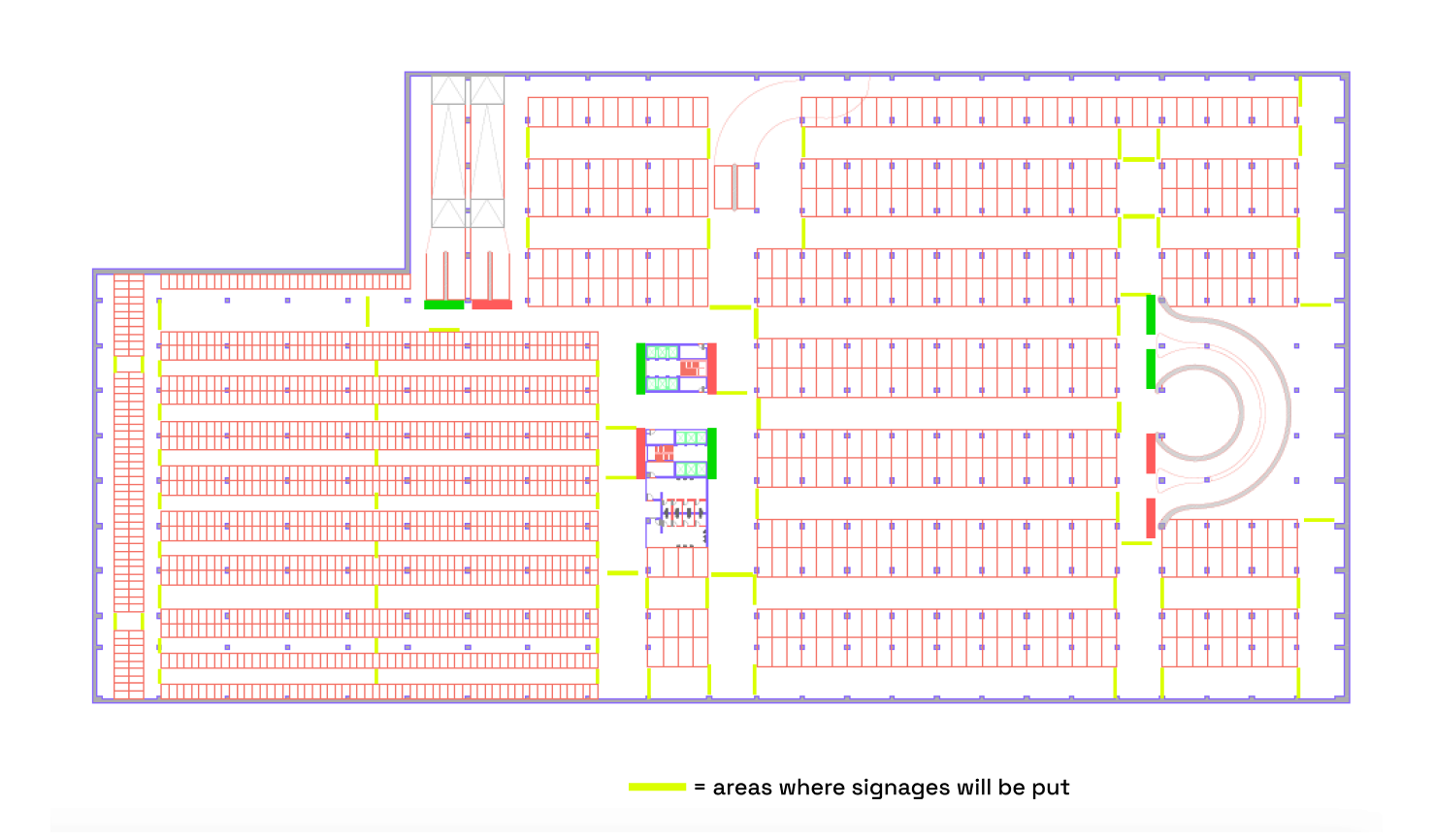
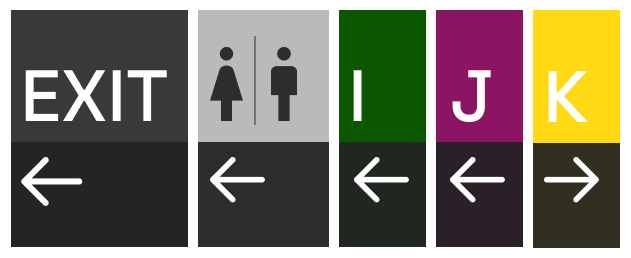
  • The lack of wayfinding in parking lots leads to time wastage. So, we improved the signage to help users park in the right zone and identify their vehicles while exiting.

Part 5: Integrating sensors

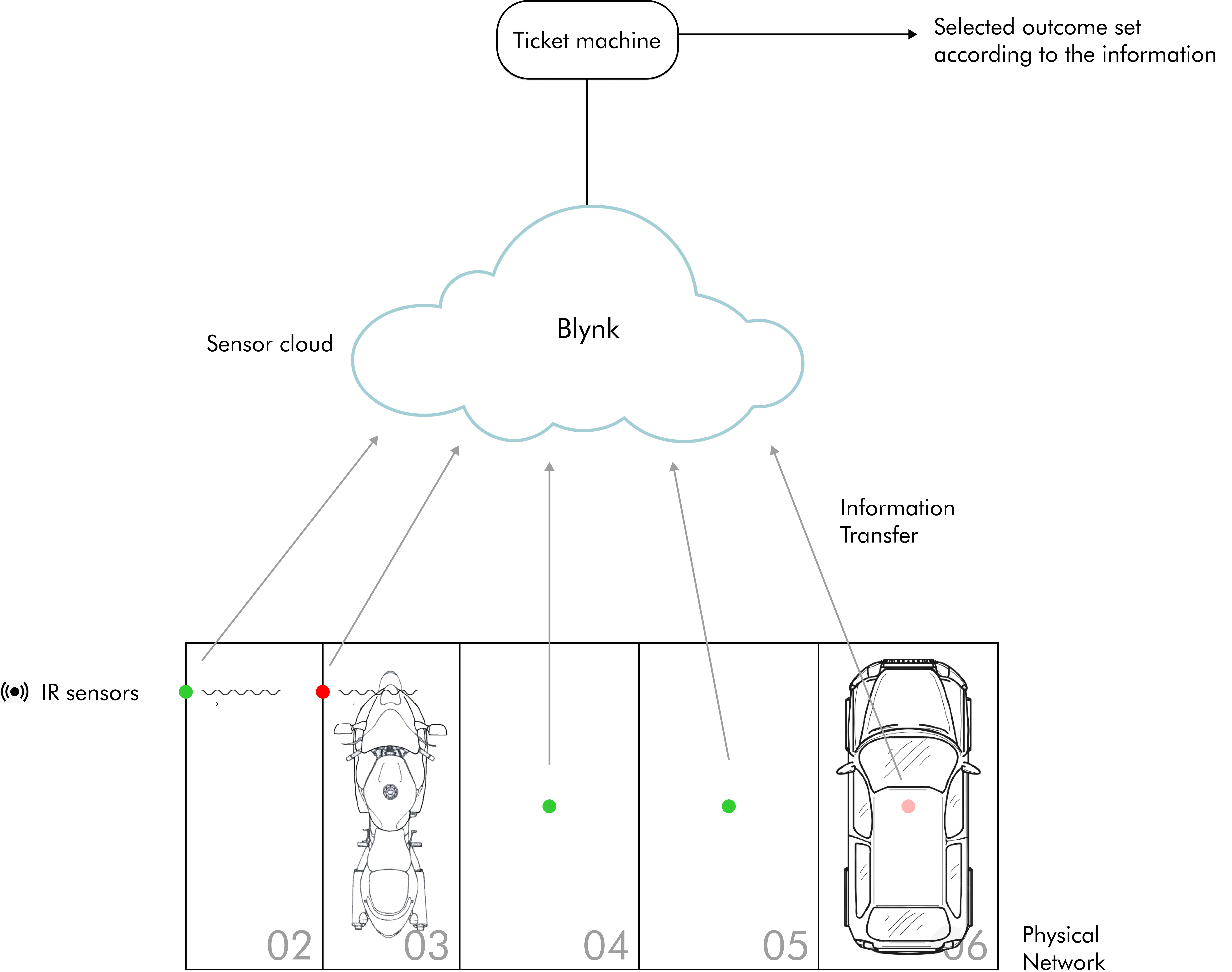
  • Sensors will regulate the system and send parking availability data to the Blynk cloud. The cloud is connected to the token machine and suggests appropriate parking zones for the users.

Visualisation

The Potential of Our Parking Innovation

Through On the spot, 21,60,000 + vehicle owners can be impacted daily in malls all over India
learnings

What this road taught us

User research is crucial for identifying user needs and designing effective solutions. Doing a deep dive into research can be extremely rewarding and fascinating.
In today's world where millions of apps and websites keep coming in, a physical and minimal solution can have a huge impact.

Thank you for parking your attention here! View my other projects here:

I'd love to hear from you!